Heredis 2014 Mac Serial
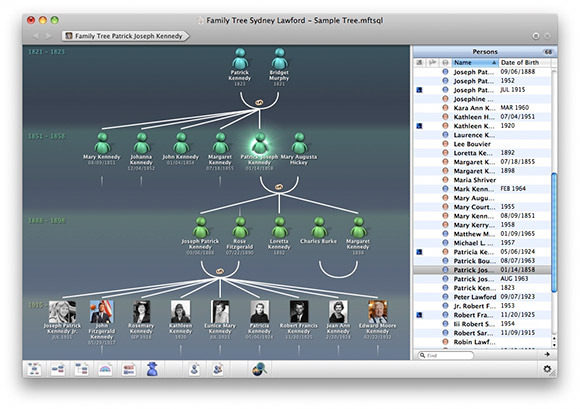
Heredis 2014 16 October 2013. Discover HEREDIS for Windows and Mac for your research and your family trees. Get a preview of all new features of Heredis.

Configuration required, Heredis 2018 for Windows:. Windows 7 or 8 or 10. 500 MB disk space required. Screen 1024×700 minimum. Internet connection for research, publishing, integrated maps & Dashboard Configuration required, Heredis 2018 for Mac:. Yosemite (10.10), El Capitan (10.11), Sierra (10.12), High Sierra (10.13).
350 MB disk space required. Screen 1366×768 minimum.
64 bits only. Internet connection for research, publishing, integrated maps & Dashboard Configuration required, Heredis for IOS:. Minimum version 7. Configuration required, Heredis for Android:. Minimum version 5. By accepting this EULA, you receive a limited license, personal, worldwide and free of copyright, nonassignable, not resaleable, non-transferable and non-exclusive, for use of this software.
You are authorized to use one (1) copy of this software for personal, non-commercial ends as a private user. One license only is granted for each unique home address (“address”). You are authorized to download and install the software on one computer only.
Users who have several computers (eg one independent computer, a laptop and a netbook), may download the software on three (3) maximum units at the same address. If you buy several licenses for this software, you may at any time, make as many copies as you own licenses.
Mac Software Serial
Street Roots both leads and supports varying advocacy efforts related to homelessness and housing efforts in Portland and throughout the state of Oregon and around the United States. Street Roots is a proud founding member of the. Street Roots is also a member of the the and the. 2016:.
Street Roots along with the Welcome Home Coalition worked to create the momentum to refer the first ever affordable housing ballot measure to the ballot. Thecampaign will help create thousands of new affordable housing units for our most vulnerable residents. Street Roots' series on Oregon forest workers has. 2015:. Street Roots investigative report through a video visitation system inspired the county to.
Mac Serial Box
Street Roots receives the Portland Human Rights Commission’s Emily G. Gottifried Award for our advocacy work in the community.
2014:. Street Roots helped launch the new Welcome Home Coalition — working to secure long-term funding for homeless services and affordable housing throughout the Portland Metro region. Street Roots worked to secure $1.7 million dollars in one-time funding for short-term rent assistance.
Mac Serial Seeker
Street Roots partnered with the City Club of Portland, Oregon On and the Citizens Crime Commission to present a series on homelessness at the City Club of Portland. Street Roots Board Member and Vendor Leo Rhodes was the co-chair of the City Club of Portland research project on health care and homelessness. Street Roots advocated on a range of different social justice issues in the newspaper — supporting marriage equality, the legalization of marijuana and increased housing resources, to name a few. 2013:. Street Roots led a campaign along with coalition partners to secure $5.4 million dollars in funding for housing and homeless services in Portland. Worked to deter sidewalk legislation in Salem that would have allowed cities around Oregon to target people experiencing homelessness and poverty.
2012:. Street Roots led a campaign along with coalition partners to secure $4.8 million dollars in funding for housing and homeless services in Portland. 2011:. Street Roots co-authored Multnomah County’sThe now annual report works to better understand why people are dying on the streets in order to create preventive measures and resources for people experiencing homelessness. 2010:. After losing $10,000 annually from the Catholic Campaign for Human Development — are defunding grassroots poverty organizations due to their affiliations with women’s health care organizations and marriage equality organizations.
2009:. Street Roots investigative reporting helped save 300 families from eviction in NW Oregon.
Our reporting was eventually used as testimony on the house floor in D.C. On the lack of oversight of the rural housing authorities and why funding needed to be restored for the families being evicted. 2000:. Street Roots co-founded Dignity Village, Portland’s first city sanctioned tent city.